
black and gold vanity mirror
The Importance of Machine Vibration Pads in Industrial Applications In the world of industrial machinery, the importance of minimizing vibration cannot be overstated. Excessive vibration can lead to equipment wear, reduced efficiency, and increased maintenance costs. One effective solution to mitigate these issues is the use of machine vibration pads. This article explores the significance of vibration pads, their types, benefits, and applications across various industries. Understanding Machine Vibration Before delving into the specifics of vibration pads, it's crucial to understand the concept of machine vibration itself. Vibration occurs when a machine deviates from its equilibrium position, which can be caused by imbalances in rotating parts, uneven surfaces, or external forces. While some vibration is normal in machinery, excessive or uncontrolled vibration can lead to catastrophic failures. What Are Machine Vibration Pads? Machine vibration pads, also known as vibration isolation pads or vibration dampening pads, are materials designed to absorb and reduce vibrations produced by machinery. They function by providing a cushion between the machine and the surface it rests on, effectively isolating the vibrations generated during operation. These pads are typically made from materials such as rubber, neoprene, or polyurethane, which possess excellent elasticity and damping properties. Types of Vibration Pads There are several types of machine vibration pads, each suited to different industrial applications 1. Rubber Vibration Pads These are the most common type used in various applications. They are effective at reducing vibrations and are relatively inexpensive. Rubber pads are often used in commercial buildings, HVAC systems, and machinery. 2. Foam Vibration Pads Made from dense foam, these pads are excellent for sound dampening as well as vibration isolation. They are lightweight and can be useful in areas where weight is a concern. 3. Gel Pads These pads provide superior vibration isolation due to their unique gel composition. They are typically used in sensitive equipment installations, such as medical devices and precision instruments. 4. Spring Isolators This type uses a combination of springs and pads to absorb vibrations. They are especially effective in heavy machinery applications where there are constant vibrations. Benefits of Using Vibration Pads Implementing machine vibration pads offers numerous advantages machine vibration pads 1. Enhanced Equipment Life By minimizing wear and tear, these pads help extend the life of machinery and reduce the frequency of repairs. 2. Improved Operational Efficiency Reducing vibrations allows machines to run more smoothly, enhancing their performance and efficiency. 3. Noise Reduction Vibration pads also help to dampen noise generated by machinery, creating a safer and more pleasant working environment. 4. Increased Safety Vibrations can lead to the destabilization of machinery and pose risks to operators. Vibration pads help maintain stability and safety in the workplace. 5. Cost Savings Though there is an initial investment in vibration pads, the long-term savings through reduced maintenance and enhanced equipment longevity can be significant. Applications Across Industries Machine vibration pads find applications in numerous sectors, including - Manufacturing Used on assembly lines and machinery to reduce vibrations caused by moving parts. - Construction Helps to isolate vibrations from heavy machinery and prevent structural damage to surrounding buildings. - HVAC Systems Vibration pads are commonly used under HVAC units to minimize noise and vibrations transmitted through building structures. - Transportation They are employed in vehicles and trains to enhance passenger comfort by reducing vibration transfer. - Electronics Sensitive electronics and precision instruments rely on vibration pads to maintain accuracy and functionality. Conclusion In conclusion, machine vibration pads play a critical role in modern industrial applications by isolating vibrations and enhancing the longevity and efficiency of machinery. With a variety of types available to suit different industrial needs, the benefits of using vibration pads extend beyond just equipment maintenance; they also contribute to a safer, quieter, and more efficient work environment. As industries continue to evolve, the importance of effective vibration control through pads will undoubtedly remain a crucial consideration for engineers and operators alike.
about
black and gold vanity mirror
Understanding Water Turn Off Valves Importance and Usage Water turn off valves, often referred to as shut-off valves, play a vital role in plumbing systems. They are designed to control the flow of water within pipes and fixtures in residential and commercial buildings. Understanding these essential components can help homeowners and maintenance professionals alike in managing water supply effectively, preventing water damage, and ensuring safety in plumbing systems. What is a Water Turn Off Valve? A water turn off valve is a mechanical device that can start or halt the flow of water in a plumbing system. Typically made from materials like brass, stainless steel, or PVC, these valves come in various shapes and sizes. The most common types include gate valves, globe valves, and ball valves, each with unique operating mechanisms. The simplest form is a turn valve where the handle must be rotated to open or close the valve, halting or restoring the water flow. Importance of Water Turn Off Valves 1. Emergency Situations In the event of a leak or burst pipe, knowing how to quickly locate and operate the water turn off valve can prevent extensive water damage. For example, a burst pipe can release gallons of water, causing structural damage and mold growth. With a shut-off valve, water flow can be immediately stopped, buying time for repairs. 2. Maintenance and Repairs Regular maintenance of plumbing fixtures often requires turning off the water supply. Whether you’re replacing a faucet, repairing a toilet, or servicing a water heater, the shut-off valve is essential to avoid accidental flooding. It allows homeowners and tradespeople to perform maintenance safely and efficiently. 3. Seasonal Preparation In regions prone to freezing temperatures, turning off the water supply to outdoor faucets before winter is crucial to prevent pipes from freezing and bursting. Water turn off valves give homeowners control to manage seasonal challenges effectively. 4. Water Conservation In times where water conservation is critical, utilizing shut-off valves helps minimize waste. For instance, the valves can be used to control water flow during irrigation or when washing cars, helping to reduce overall water consumption. water turn off valve How to Locate and Operate Water Turn Off Valves Most homes have several shut-off valves. The main shut-off valve is typically located near where the water line enters the house, often found in basements, crawl spaces, or near the water meter. Additionally, individual fixtures like sinks, toilets, and appliances (e.g., dishwashers, washing machines) have their own dedicated valves, usually installed under the sink or behind the appliance. Operating a water turn off valve is generally straightforward 1. Locate the valve Identify whether it is a gate valve or ball valve. Gate valves typically have a round handle, while ball valves have a lever. 2. Turn Off For gate valves, rotate the handle clockwise until it stops. For ball valves, simply turn the lever 90 degrees to the closed position. 3. Check Turn on a faucet downstream from the valve to ensure that water flow has stopped. Conclusion Water turn off valves are indispensable components in plumbing systems. They offer critical control over water supply, enabling effective management during emergencies, repairs, and regular maintenance. Understanding their operation and location not only empowers homeowners but also enhances safety and conservation efforts. Regular inspection and familiarization with these valves can lead to better preparedness for unexpected plumbing issues and ultimately safeguard your home from potential water damage. As water conservation becomes increasingly important, knowing how to use these valves efficiently can contribute to responsible water usage and management in our homes.
-

High quality industrial productsagement

High quality industrial products
View Details -

Meet the diverse needs of customers

Meet the diverse needs of customers
View Details -

Strict quality control

Strict quality control
View Details -

Top raw materials

Top raw materials
View Details -

Trusted supplier

Trusted supplier
View Details
Our application



news and information
Versatile 4x6 Welding Table for Efficient Metal Fabrication and DIY Projects
Enhancing Your Workshop with a 4x6 Welding Table When it comes to welding, having the right workspac
Versatile Six-Sided Aluminum Alloy Angle Measurement Tool for Precision Applications
The Versatility of Six-Sided Aluminum Alloy Angle Measuring Tools In the world of precision measurem
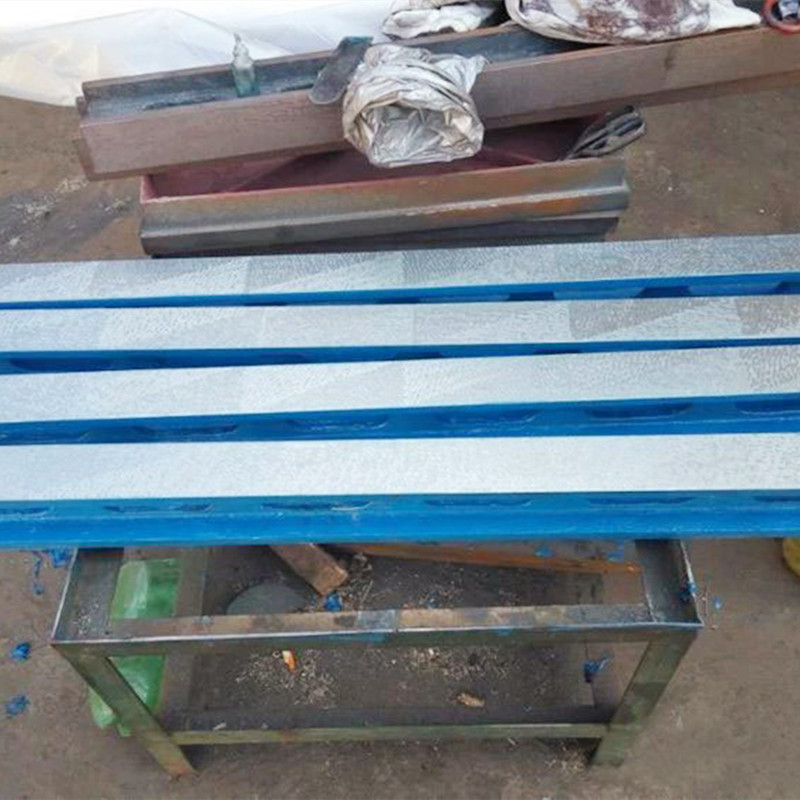
V-Block Designs for Efficient Machining Applications
V-Blocks for Machining An In-Depth Overview In the world of precision machining, the importance of e
 English